Colorado attorney general Phil Weiser warned of dire consequences that could unfold after a federal court ruling in December opened the door for the possible sharing of Medicaid data between agencies in states and federal health agencies. Once the data is in federal hands, it could then be shared with immigration enforcement.
“This ruling has a very practical consequence that is going to threaten people's lives,” said Weiser, a Democrat, who is running for governor.
“It is a terrible choice,” to have to decide between seeking or skipping health care, he said. "It's also unfair to hospitals because hospitals are getting Medicaid as a way to reimburse for providing care.”
Weiser said he believes it is a matter of time before the country develops a national approach to immigration that’s more human, fair and sensible.
“So I am pained by the situation we're in,” he said, noting the court case continues. “We're going to keep pursuing this case, try to get a better result.”
Providers and advocates have expressed deep concern that it will scare away both undocumented immigrants and others who aren’t citizens from seeking health care altogether, out of fear that information would be shared with U.S. Immigration and Customs Enforcement.
The change applies only to people who are not lawfully residing in the U.S and are enrolled in a program called Emergency Medicaid, or pregnant and enrolled in Medicaid through Cover All Coloradans.
But if a person is in one of those groups, the Centers for Medicare and Medicaid Services or CMS may share limited information with ICE, including your citizenship and immigration status, address, phone number, date of birth and Medicaid ID.
Last summer, the Centers for Medicare and Medicaid Services, or CMS, the federal agency that administers the nation’s health program for low-income Americans, made a “lengthy and detailed” data request to Colorado’s agency that administers Medicaid.
Colorado and nearly two dozen states sued to challenge the disclosure of Medicaid data. A federal court denied that motion at the end of last year and is allowing data sharing in limited circumstances as the case continues through the courts.
CPR reached out to the U.S. Department of Health and Human Services and the Department of Homeland Security. A spokesperson said HHS does not comment on ongoing litigation.
DHS defended the data sharing and said it was necessary because of the failed immigration policies of the prior administration.
“President Trump consistently promised to protect Medicaid for eligible beneficiaries,” said Assistant Secretary Tricia McLaughlin. “To keep that promise after Joe Biden flooded our country with tens of millions of illegal aliens, CMS and DHS are exploring an initiative to ensure that illegal aliens are not receiving Medicaid benefits that are meant for law-abiding Americans.”
A spokesman for the Colorado Department of Health Care Policy and Financing said the agency only shares Medicaid information with the federal Centers for Medicare and Medicaid Services. It does not share information with federal immigration officials, however, he said, “we cannot directly control what CMS shares.”
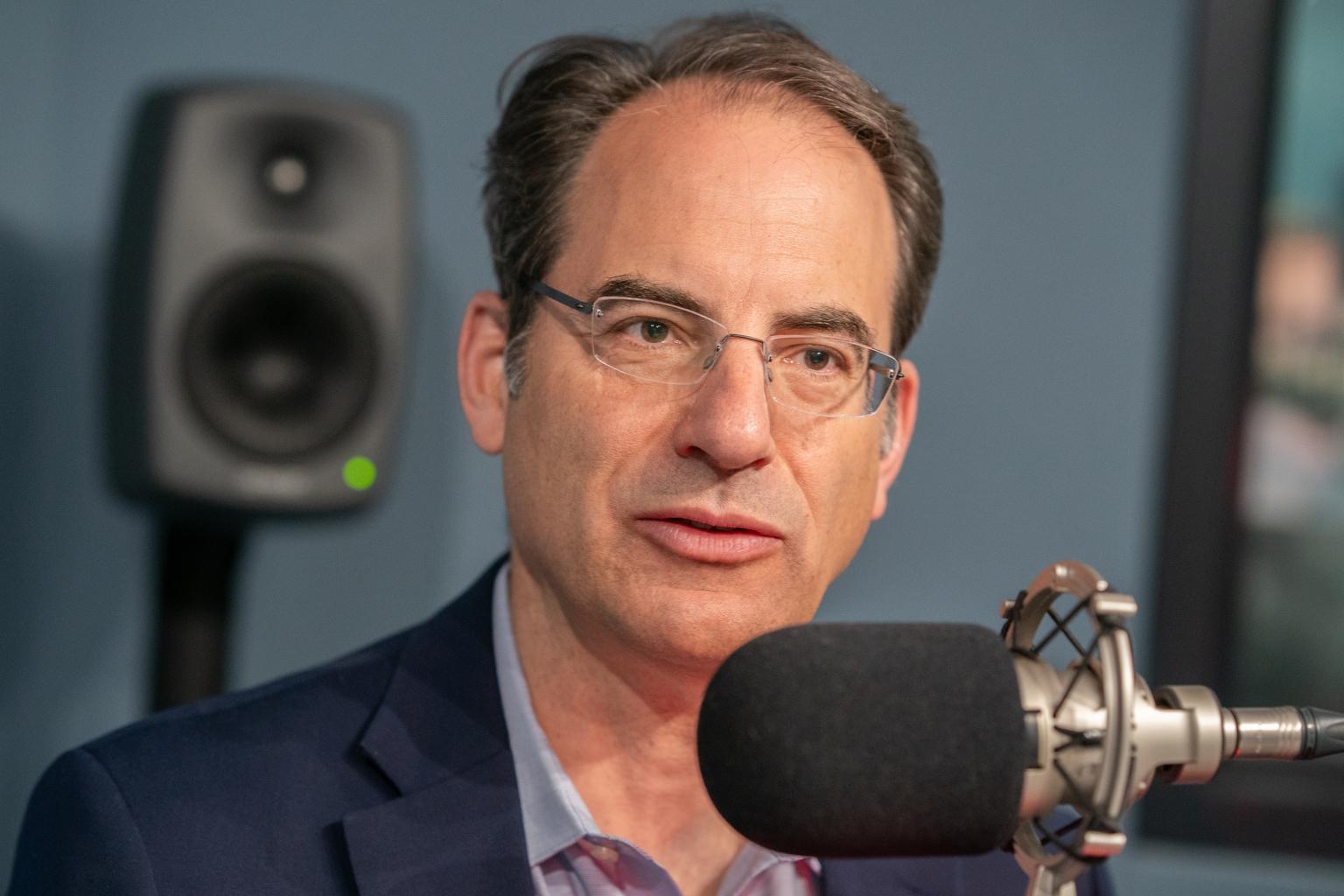
CPR public affairs reporter Bente Birkeland and health reporter John Daley sat down with Weiser to talk about the data sharing.
This interview has been edited for length and clarity.
John Daley: What was your reaction to the ruling by the judge that essentially you'd been fighting regarding data sharing?
Phil Weiser: I'm disappointed because this ruling has a very practical consequence that is going to threaten people's lives. For someone thinking about going to get emergency health care, they may now think, wait a minute, will my identity and information be shared with DHS (the federal Department of Homeland Security) in a way that could compromise my life?
People are in all sorts of different situations with different documentation. They may be afraid to get health care thinking it's going to mean their deportation date is going to get accelerated or their status is going to be somehow harmed. And this is exactly the opposite message that we need because we want people who are here, whatever their situation is, to live not to suffer and to be afraid to get health care because of your concerns about immigration status means some people are going to be less healthy. Some people may be facing life-threatening situations, and they're going to decide not to go to hospitals.
Bente Birkeland: What about the argument from the judge that this is information DHS is legally allowed to have and possess already?
Weiser: The judge made the ruling that under the law, this specific information about someone who is in the Medicaid program and is here without authorization can be shared to DHS. That is the judge's ruling. We believe there's a basis to say, this information should be kept private based on other legal provisions. We're going to keep pursuing that argument, and we think the judge adopted this point in a way that is going to have clear, harmful consequences. We're concerned about those consequences. We're going to keep pursuing our case. Obviously, we're sorry that the judge ruled this way.
Birkeland: What can the state do? Right now, as you know, we have the state law that's trying to restrict information and how it's shared with this court ruling. The state isn't directly sharing information with ICE (Immigration and Customs Enforcement), but sharing it with CMS (the federal Centers for Medicare and Medicaid Services), CMS can then share it with ICE. Does that violate the state law we have in place?
Weiser: I will need to look at that specific question, Bente, before giving an answer. I've not looked at that intersection. I do worry about the consequence of the situation we're in right now, but I've not looked at that specific issue.
Daley: Given what's happened with this court ruling and where things stand now, as well as the aggressive immigration enforcement that's happening in the country, certainly in Minneapolis, what would you like for Coloradans, especially those who are immigrants, to understand about seeking health care right now?
Weiser: I want to say that I'm so sorry that we are where we are. What we should have is a system of immigration enforcement that operates in a fair, sensible, and in a rule of law-based manner. It is a terrible choice to be, have to put to, and it's also unfair to hospitals because hospitals are getting Medicaid as a way to reimburse for providing care. And if you say that as a consequence of Medicaid being available, we're then going to share critical information that will jeopardize people's situations. People are not going to want to get that care. They're not going to want to get that Medicaid coverage.
So I am pained by the situation we're in. I'm concerned about where we are. We're going to keep pursuing this case to try to get to a better result. And I believe it's a matter of time before our national approach to immigration is going to change to become more humane, more decent, more fair, and more sensible. But right now, we're not seeing that. What we're seeing in states like Minnesota is a mean-spirited, harmful and unfair administration of our immigration system.
Daley: Is there anything else you wanted to add on this topic?
Weiser: I want to say that I believe that people understand we need immigration enforcement and that there are situations where people, for those who've committed crimes, for example, who pose a danger, who have gone through the system, they're going to be deported. But there are situations where people could be young kids who are here, who might not yet have a status as a Dreamer, for example, who are following all the rules, who are trying hard to be positive members of our society. And a situation like this just makes their lives harder, threatens their future, and even threatens their health. And so we're going to keep doing the best we can in Colorado to treat people humanely, to have an immigration system that functions in a sensible way, in a fair way and under the rule of law.
| This story is part of a collection tracking the impacts of President Donald Trump’s second administration on the lives of everyday Coloradans. Since taking office, Trump has overhauled nearly every aspect of the federal government; journalists from CPR News, KRCC and Denverite are staying on top of what that means for you. Read more here. |