
Colorado is joining more than half a dozen states, led by Arizona and California, in suing the Trump administration over its overhaul of childhood immunization policy.
The fifteen states, all led by Democrats, said the changes are not backed by science.
Last month, the federal Centers for Disease Control and Prevention dropped seven childhood vaccines from a list of those universally recommended.
Among them: vaccines protecting hepatitis A, hepatitis B, influenza, COVID-19, rotavirus, meningococcal disease, respiratory syncytial virus (RSV).
The complaint filed Tuesday names Health and Human Services Secretary Robert F. Kennedy, Jr., Centers for Disease Control and Prevention Acting Director Jay Bhattacharya, the Department of Health and Human Services and the CDC as defendants.
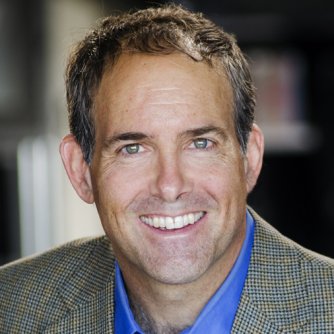
Colorado Attorney General Phil Weiser accused the CDC and Kennedy, a prominent vaccine skeptic, of disregarding federal law, ignoring scientific evidence and putting children in danger.
“Vaccines remain safe and effective, and they are critical for protecting America’s children and public health. Lower vaccination rates will lead to an increase in preventable diseases, which will put stress on our public health system,” said Weiser, a Democrat who is running for governor, in a press release. “We’re suing to reverse this dangerous decision and restore a vaccine policy practice that has saved lives.”
The suit also challenges what it calls the “unlawful replacement” of the Advisory Committee on Immunization Practices (ACIP), the federal panel of experts that for decades has guided U.S. vaccine policy.
A response from the administration
A federal health agency spokesperson defended the changes.
“This is a publicity stunt dressed up as a lawsuit,” said Emily G. Hilliard, HHS Press Secretary, in an email to CPR. “By law, the health secretary has clear authority to make determinations on the CDC immunization schedule and the composition of the Advisory Committee on Immunization Practices. The CDC immunization schedule reforms reflect common-sense public health policy shared by peer, developed countries.”
Key memo “not based on any new scientific evidence,” suit alleges
Last June, Kennedy abruptly fired all 17 voting members of the ACIP.
He replaced them with “individuals who lack the scientific qualifications required by ACIP's own charter and the Federal Advisory Committee Act,” according to the release. A majority of ACIP members have expressed views aligned with Kennedy's opposition to vaccines, it said.
In January, then-acting CDC Director Jim O’Neil signed off on a memo to downgrade seven vaccines from the recommended vaccination schedule.
“The Decision Memo was not based on any new scientific evidence, any recommendation by a lawfully constituted ACIP, or any systematic review of the available data,” the release stated. “Instead, it relied primarily on superficial comparisons to purported ‘peer countries’—particularly Denmark.” But that ignored fundamental differences between those nations and the U.S., as well as “the overwhelming evidence supporting the effectiveness of the CDC’s pre-Kennedy childhood immunization schedule.”
Colorado diverges
Colorado's own statutes and regulations contain several references to ACIP.
Colorado has already diverged from the federal recommendations on several fronts. That includes changing its vaccine guidance to take into account not just federal recommendations but the views of key medical groups that review vaccines.
Legislation being considered this session builds on that momentum. Democrats, who hold the majority in the legislature, are working on a new bill directing the board of health, in adopting vaccine rules for infants, “to consider the recommendations of ACIP, as well as the recommendations of the American Academy of Pediatrics and other similar entities.”
It also allows pharmacists to prescribe and administer vaccines and expand liability protections for providers. Opponents say Colorado's changes would interfere with parental choice and hurt children.
Arizona Attorney General Kris Mayes and California Attorney General Rob Bonta are leading the lawsuit. They’re joined by the attorneys general of Colorado, Connecticut, Delaware, Maine, Maryland, Michigan, Minnesota, New Jersey, New Mexico, Oregon, Rhode Island, Wisconsin, and the Governor of Pennsylvania.