
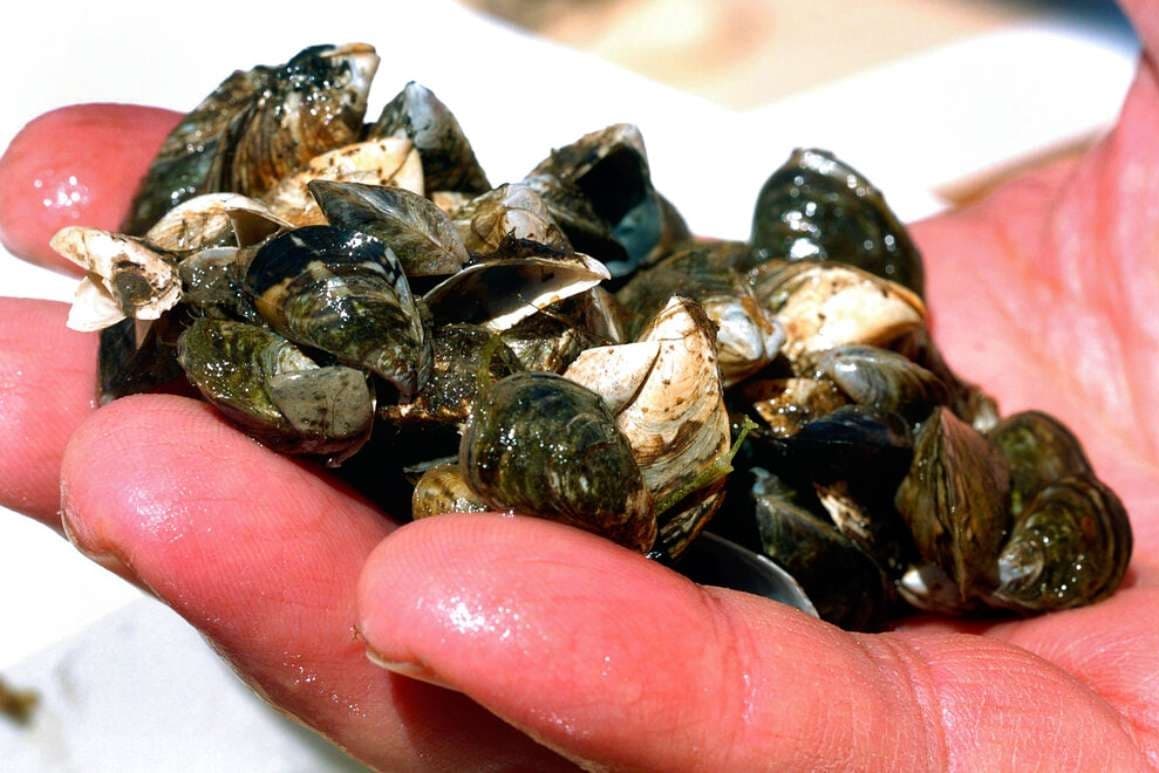
Following the discovery of invasive zebra mussels in the Colorado River last year, Colorado Parks and Wildlife (CPW) is working hard to prevent further contamination across the state.
Part of that is an ongoing effort in boat inspections to prevent the spread of invasive aquatic species including both zebra and quagga mussels. In 2025, CPW conducted more than 438,000 such inspections at various bodies of water.
Officials say early detection of the invasive species was made possible by increased staffing and upgraded lab facilities, but the discovery on the Western Slope still set off alarm bells because once adults are present in a reproductive state, they have the ability to rapidly multiply and clog infrastructure, posing a risk to agricultural programs in the region.
“Here on the Western Slope, we depend on the irrigation systems, whether it be from our own drinking water to irrigating our crops — Palisade peaches, wine — things like that, are very dependent on that irrigated water,” Gonzales said.
Subsequent surveys of the river found additional reproducing adults near Rifle and within Glenwood Canyon, resulting in the Colorado River being designated as “infested” from the confluence with the Eagle River to the Colorado-Utah border.
CPW’s Aquatic Nuisance Species (ANS) program decontaminated 30,039 high-risk boats last year. Inspectors also intercepted 136 boats fouled with invasive mussels before they could launch.
“We're making sure that there's nothing on somebody's boat, from either a previous boating location or maybe just left over from the previous season, that could potentially cause harm to Colorado,” said CPW Northwest Region Public Information Officer Rachael Gonzales. “If a boat is found with some type of invasive species they’re automatically gonna have to go through a decontamination process before they’re allowed to enter the lake.”
Pueblo Reservoir led the state in inspections with 63,357 boats checked, followed by Chatfield Reservoir, Horsetooth Reservoir, Boyd Lake and Cherry Creek Reservoir; but Pueblo and Boyd had the highest number of fouled boats with 10 each. Many boats found with infestations came from Lake Powell. At least one came from Michigan. Highline Lake, already classified as infested, requires mandatory decontaminations for all motorized boats leaving the water.
But the state’s prevention efforts extend beyond boat ramps.
Mandatory roadside ANS checkpoints, created under House Bill 21-1226, expanded last year to include ports of entry in Fort Morgan and Limon, in addition to existing stations in Loma and Trinidad. The Loma station alone conducted 3,647 inspections and intercepted 57 invasive-carrying vessels.
Despite those efforts, CPW confirmed the presence of reproducing adult zebra mussels in the Colorado River near Grand Junction on Sept. 15, designating the area as ‘infested.’ However, Gonzales stressed that for now, the issue remains relatively isolated.
“Obviously here on the Western Slope we have zebra mussels and that's concerning,” she said. “But if you look at Colorado as a whole, this is just a very small piece of the state, so when you look at the entire state, we are mussel free, so that is great news.”
CPW is implementing preventative and mitigation measures beyond decontamination. “We're applying a copper molluscicide to help with that and increasing sampling to really understand what [the spread] looks like,” Gonzales said.
CPW plans to expand sampling in the Grand Valley this year, particularly in ponds and lakes connected to the Colorado River. Highline Lake will also install the state’s first decontamination dip tank to speed containment efforts and reduce wait times for boaters.
Still, state officials urge boaters and anglers to take precautions with all vessels and gear after use to help limit further spread.
“Be a pain in the ANS,” Gonzales said. “When you're taking those simple little steps to clean, drain, and dry your watercraft, whether it's a boat, a paddleboard, maybe it's your waders, you're really helping us from that prevention and mitigation.”
Learn more about how you can prevent the spread of aquatic nuisance species and tips to properly clean, drain and dry your boating and fishing gear by visiting our website. Tips for anglers and a map of CPW’s new gear and watercraft cleaning stations are available here.