
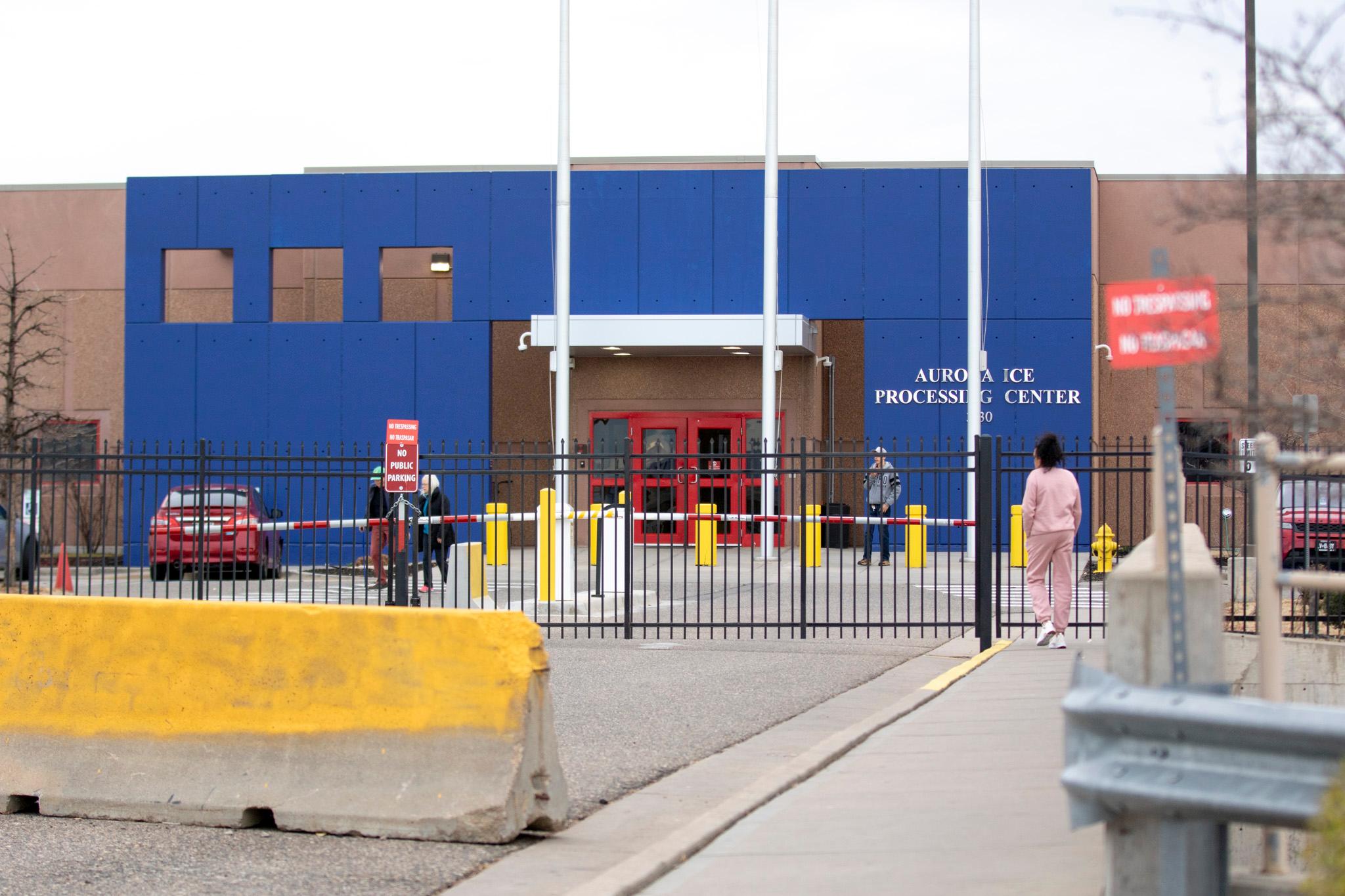
Lawyers for immigrants, advocacy groups and the federal government are continuing to fight about how Immigration and Customs Enforcement officers are arresting and detaining people in Colorado.
At issue is an existing law requiring federal officers to have a warrant before arresting someone and, if they decide to detain them, complete a flight risk assessment to determine whether they’re likely to flee before they see an immigration judge.
The American Civil Liberties Union of Colorado argues that ICE officers in Colorado aren’t doing either of those things — with regularity.
This has already been argued in front of a senior federal judge last year. U.S. District Court Judge R. Brooke Jackson issued a preliminary injunction ordering the federal government to, essentially, comply with its own laws.
But even after that ruling, ACLU representatives and other private attorneys argue they aren’t following it. And now Jackson has ordered everyone back to court in a couple of weeks for an evidentiary hearing that will put the federal government on trial, in essence, about how they are trying to follow the judge’s ruling.
In filings this week, lawyers argue about the definition of a “field warrant.”
Brad Leneis, an assistant U.S. attorney arguing on behalf of the Department of Homeland Security, said detention and deportation agents are routinely getting warrants “in the field” after they detain someone, and those cases shouldn’t be subject to the fight in front of Jackson.
Leneis is arguing that, even though these field warrants are issued after someone is taken into custody, they shouldn’t be called “warrantless arrests.”
ACLU attorneys, in filings, say this is a distinction without a difference.
“The District Court found the manner in which ICE was issuing the field warrants was unauthorized under ICE’s own regulations,” immigration lawyers, who are representing a handful of immigrants who were detained without a warrant and without a probable cause assessment, wrote to the judge. “Defendants are taking the position that … they may show noncompliance with the court’s order based on a particular arrest, even when they admit no warrant existed at the beginning of the encounter.”
Jackson’s evidentiary hearing on warrantless arrests in Colorado is scheduled for March 10.