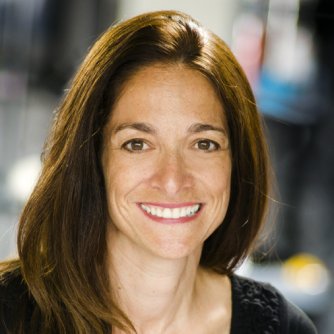

Rebecca Chopp was determined to make the best of her diagnosis. It was 2019, and neurologists had just confirmed that the University of Denver chancellor had Mild Cognitive Impairment or MCI due to Alzheimer’s disease. Chopp, who didn’t want to risk letting her condition affect work, stepped down from her job.
“It's a big job, and what if I made a mistake?” Chopp recalls thinking. “Plus, whatever time I had left, I wanted to be with my husband and friends and do things I hadn't done.”
Questions about Chopp’s cognitive health first surfaced when she got lost driving to a regular checkup with her doctor. At the appointment, she told the doctor about it. Chopp also mentioned that she was sleeping more than usual, after years of not needing much sleep. The doctor recommended Chopp undergo some cognitive testing.
“I was so arrogant. I laughed at her and said, ‘Sure, because I'd never failed a test in my life,'" she recalls. “So I took it, and I didn't pass.”
She did more cognitive testing, got an MRI and an insulin-related PET scan, consulted with several neurologists, and doctors delivered the grim news. They’d also discovered a small wound in Chopp’s brain, which might have contributed to the symptoms.
Her neurologists couldn’t say exactly when Chopp would develop full-blown Alzheimer’s, but they were pretty convinced it was coming.
“One doctor told me in three years, I wouldn’t be buttoning my shirt,” Chopp recalls.
The diagnosis led to some months of depression, but the lifelong high achiever forged ahead, making some major life changes. Chopp and her husband moved from their downtown Denver high-rise to a senior living facility, and she began following a strict Mediterranean diet. She also started an intensive exercise program and took up painting.

Over time, things started getting better, not worse. While earlier Chopp had had problems remembering people's names, how to get places and information people had told her, she and her husband noticed that her organizational skills were improving and her memory was getting better.
“All of a sudden … I was bossing my husband around on directions to get to a place,” she said. “I could read a book, put it down, pick it up a week later and remember what was going on.”
Chopp went to see a new neurologist.
“The first time I saw her … she said, ‘You know, I've read all your charts…and tests…and I would've said MCI due to Alzheimer's,” Chopp said. “Then she said, ‘But sitting here talking with you for 20 minutes or so, after six years of it, that diagnosis isn't quite making sense to me.’”
Her neurologist suggested she take the newest blood biomarker test, PrecivityAD2, which was approved by the FDA in May of 2025, a test that wasn’t available when Chopp was initially diagnosed. The test detects two markers of Alzheimer’s disease in the brain, amyloid and tau.
Extensive clinical trials have shown that the test is as accurate as the PET scan, that’s used to detect the markers of Alzheimer’s. Chopp said she never had that particular scan because her Denver doctors didn’t have the machine. The blood test is also much less expensive.
While some people may develop some amyloid in their brain as they age, Chopp’s results indicated very little amyloid and virtually no tau. She also went through cognitive testing, including some newly developed tests, which are more accurate for diagnosing different symptoms of Alzheimer’s.
“I could tell I'd done very, very well,” Chopp said. “I mean, I knew I'd done much better than before and…when the test results came in, I was normal or above for a person my age.”
After more than five years of living with an Alzheimer’s diagnosis, Chopp no longer had markers or symptoms of the disease. Experts say different standards for diagnosing Alzheimer’s means it’s not all that unusual for someone to be misdiagnosed.
“I would say one in four or one in five people that are diagnosed with Alzheimer’s disease actually don't have it,” researcher Dr. Lotta Granholm-Bentley said. “It’s very difficult for a neurologist to determine it.”

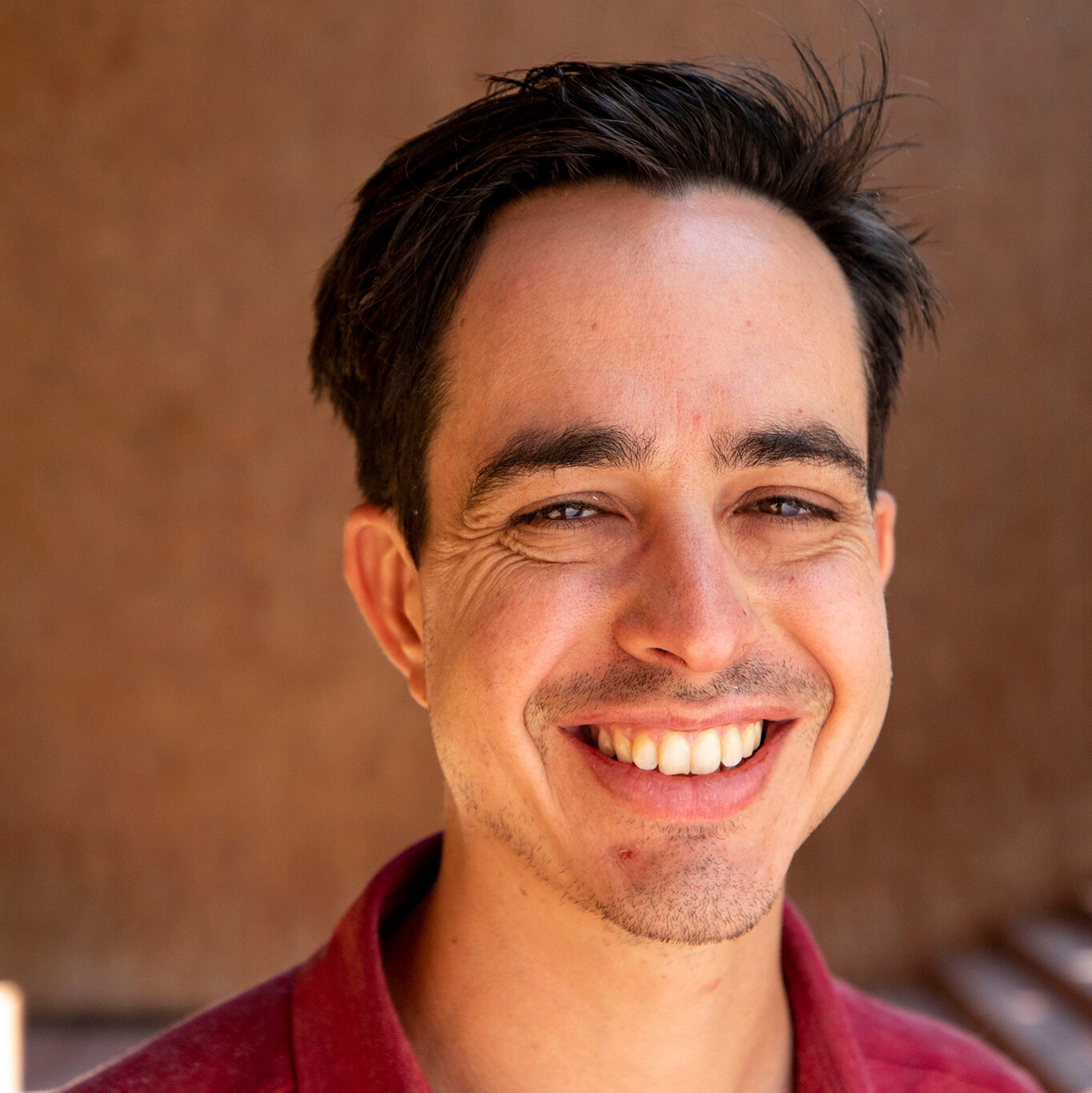
Granholm-Bentley, a professor in the Department of Neurosurgery at the University of Colorado Anschutz who researches Alzheimer’s disease, previously worked under Chopp at the University of Denver and counseled Chopp when she got her initial diagnosis.
Granholm-Bentley said the new blood test is a critical new diagnostic tool for Alzheimer’s and recommends anyone diagnosed with the disease get the test and a second opinion.
She said misdiagnosis can occur because there is no definite, non-invasive test that can identify Alzheimer’s and differentiate the condition from other dementias. In addition, the disease is progressive and may start with subtle symptoms that can easily be mistaken for life situations, medications or other forms of dementia. She said big changes or challenges in life, in Chopp’s case, a high-powered job, can lead to symptoms that mimic those of Alzheimer’s disease.
“It can also be lack of sleep. It can be you have a spouse that dies, you're not sleeping well and also some medications,” Granholm-Bentley said. “So there's a lot of different things that can cause memory problems or confusion.”
Chopp, who had a lengthy career that included serving as president of Swarthmore College and Colgate University before becoming chancellor at DU, thinks that’s her story – or at least part of it.
“I think [it was] years and years and years of stress plus a weakened area in my brain and the brain just one day decided I gotta rest, so I'm gonna make you so sick [that] you will rest.”
CU Anschutz’s Granholm-Bentley also believes the other life changes Chopp made as a way to head off Alzheimer’s disease can make a difference for anyone. While she doesn’t think the disease is reversible at this point, she does think life changes like those Chopp made to her diet and exercise routine can help.
Granholm-Bentley recommends a Mediterranean diet, full of leafy green vegetables, fatty fish like salmon, herring, and sardines, berries, nuts, and seeds. Chopp had always exercised but she began exercising much more, about two hours a day. It’s also widely believed that seven to eight hours of sleep a night is critical for brain health. And researchers also point to the importance of human connections and other factors.
“If you engage in social activity, if you have purpose in your life, that makes a huge difference,” Granholm-Bentley said.
There’s also research that finds creative endeavors help strengthen cognitive abilities. Chopp took up painting as a way to keep her mind sharp and does activities that work on the coordination of the body and brain, like kickboxing, dancing, and certain types of Pilates. Chopp also wrote a book, “Still Me," about her initial diagnosis.

As for the recently FDA-approved amyloid-inhibiting drugs that are meant to slow the progression of Alzheimer’s, Granholm-Bentley is skeptical.
“I am not a proponent of the amyloid-targeting drugs,” she said. “And I say this because first of all, only about 5% of people who have Alzheimer's would actually be eligible for the drug. Secondly, it has very small improvements in memory.”
Researchers around the globe are racing to find pharmaceuticals that are more effective at slowing or stopping the progression of the disease or even reversing symptoms. Studies by Granholm-Bentley’s colleague at CU Anschutz, Dr. Huntington Potter, have shown promise with the drug Leukine, that’s already on the market to treat other conditions. The drug appears to stop the loss of brain cells and may even help reverse some memory loss in those with Alzheimer’s disease.
As for the plethora of natural supplements touted to help with cognition, Granholm-Bentley said there aren’t many backed by research. She said supplements like Omega-3 and glucosamine, that reduce inflammation, have been shown to reduce inflammation in the brain, one of the drivers of Alzheimer’s disease.
Chopp doesn’t fault her doctors for her earlier diagnosis, given the available diagnostic tools for detecting Alzheimer’s at the time.
“I think the original diagnosis was the best they had at the time,” Chopp said. [They were] using the best tools my doctors had available, a combination of the medical test plus the cognitive psychological testing.”
Chopp said the good news now is that if more people get the new blood test and are diagnosed with Alzheimer’s, they can make the necessary lifestyle changes. She hopes that one day the test will be a part of a routine physical check-up, like a colonoscopy, for anyone 65 and older.
“These new blood biomarkers are revolutionary,” she said. “They're inexpensive [and] they're quick and easy. You just give blood.”

These days Chopp is enjoying her new, more relaxed life in Estes Park, where she and her husband moved after deciding to relocate from the senior living facility. She serves in various capacities with Colorado organizations focused on healthy aging and co-founded the group, Voices of Alzheimer’s, which advocates for making diagnostic tools and treatments available to all people with Alzheimer’s disease.
Chopp sees her advocacy as the silver lining to this challenging chapter in her life. She said she’s probably had as much or more impact on people since her misdiagnosis than she did as a professor or college president.