
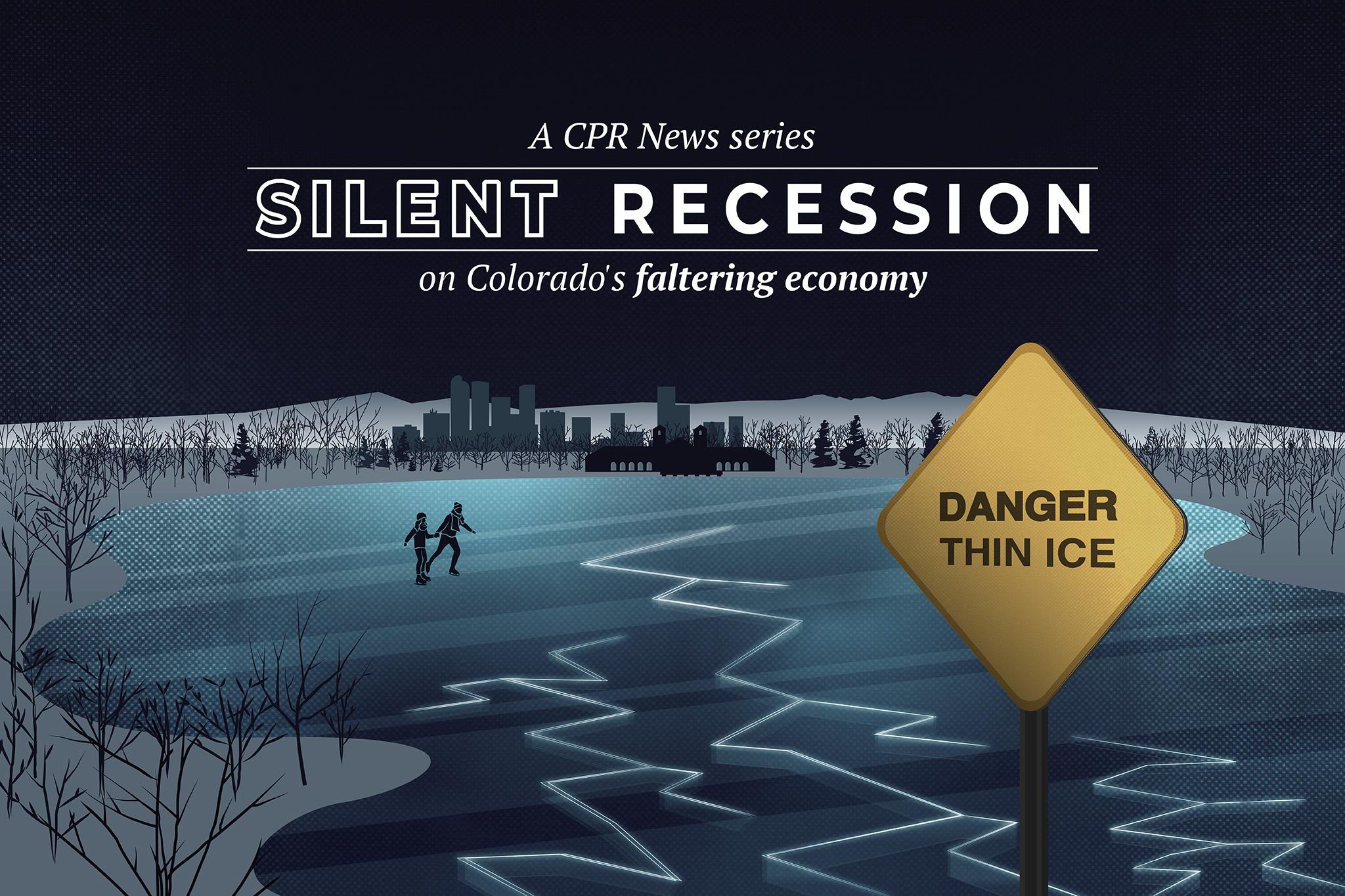


Colorado’s economy is flashing warning signs. Job growth has slowed to a trickle. Layoffs are inching up. Both the state and its biggest population center are struggling to plug massive budget holes.
On top of all that, the longest government shutdown in history was weighing on the economy. The big question, though, is whether all the bleak data points to something more serious: recession.
And the answer is complicated.


Mountain towns tighten their belts as pandemic-fueled tourism high starts declining

Colorado’s mountain towns, once overcrowded with out-of-towners fleeing their homes in the pandemic, are now planning for fewer people, fewer booked hotels and less spending. Most are expecting a relatively lean year when it comes to tourism dollars, leaving officials thinking twice about paying for expensive projects.
Visitation to the state’s resort communities is trending downward following a pandemic-era surge of interest in outdoor recreation that generated double-digit revenue growth across the high country.
That interest has since waned, and with it, those double-digit gains.


Parts of downtown Denver are old, tired and empty, but is it poised for rebirth?
By Ben Markus
Denver is a tale of two downtowns: in lower downtown, or LoDo, there’s a vibrant economy, retail filling a lot (but not all) of the space, families, workers and travelers admiring the Christmas decorations along the newly opened 16th Street.
It’s the polar opposite of upper downtown, close to the state Capitol, where outdated, drab towers sit mostly empty or totally vacant, and millions in tax dollars are being invested to prop up properties, like the Pavilions mall. Even the most positive booster of Denver admits it will be a long time until the area recovers.


How to recession-proof your finances
Coloradans might be feeling on edge about hanging on to their jobs as economic uncertainty raises the specter of recession. Others are already out there looking for a job, and might be concerned about how long it’s going to take to find a new one.
No matter your employment situation, it’s always good to be prepared for an unexpected financial setback. To that end, CPR spoke with Denver-based financial adviser DeDe Jones at Innovative Financial about how to recession-proof your finances.


Colorado’s slowing growth could be a symptom of its own success

Colorado’s economy boomed during the recovery years that followed the Great Recession. It outpaced most states when it came to adding jobs. For a few years starting in about 2013, it seemed like everybody wanted to live in Colorado. Denver, in particular, benefited from a wave of young people in their 20s and 30s moving in from other states.
Now, Denver has lost its luster in recent years. And as Colorado’s largest population center by a landslide, Denver’s fate has a big impact on the state’s overall economy.
CPR dug into the data to see how things have changed since Denver’s salad days during the last decade.


Between high prices for groceries and pet food, some Coloradans say they’re struggling even without a recession
Money issues are on the minds of many Coloradans, both their own cost of living, and the financial stability of the government services they may rely on.
That’s some of the findings of a 2025 poll from the Colorado Polling Institute that surveyed 622 likely voters in early November with the help of a bipartisan team.
When CPR News asked readers if they were feeling the pinch when it comes to housing and jobs, dozens responded with anecdotes of a difficult job market and staving off unnecessary spending. Some said they were one medical emergency or appliance breakdown away from dreary finances.


Federal economic policies stir up an unusual level of impact on the ground in Colorado
By Caitlyn Kim
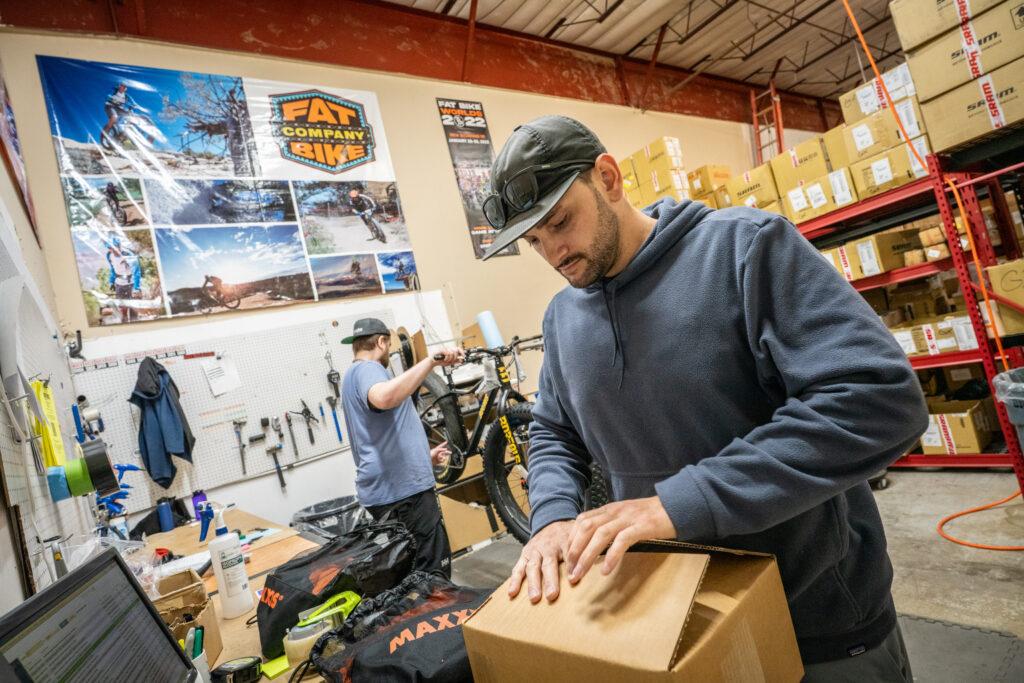
The state estimated that Colorado businesses have had tariff rates increase seven-fold, from 3 percent in 2024 to 21 percent in 2025. And it’s having an impact.
“They are considering whether to raise prices, do they absorb those costs? Do they pass it on to consumers? What does that do in terms of their business model? Do they have to let go of certain employees? Do they have to reduce salaries?” Eve Lieberman, executive director of the Colorado Office of Economic Development and International Trade, said.
This is just one example of how federal policies made 2,000 miles away can impact local businesses and individuals and reverberate across the state economy. There are a lot of other federal policies and decisions — from taxes and regulations to federal job layoffs or cuts to social programs — that can help or hurt economic growth in Colorado.


Budget season for Colorado cities and counties marked by caution and uncertainty
By Bente Birkeland and Tom Hesse
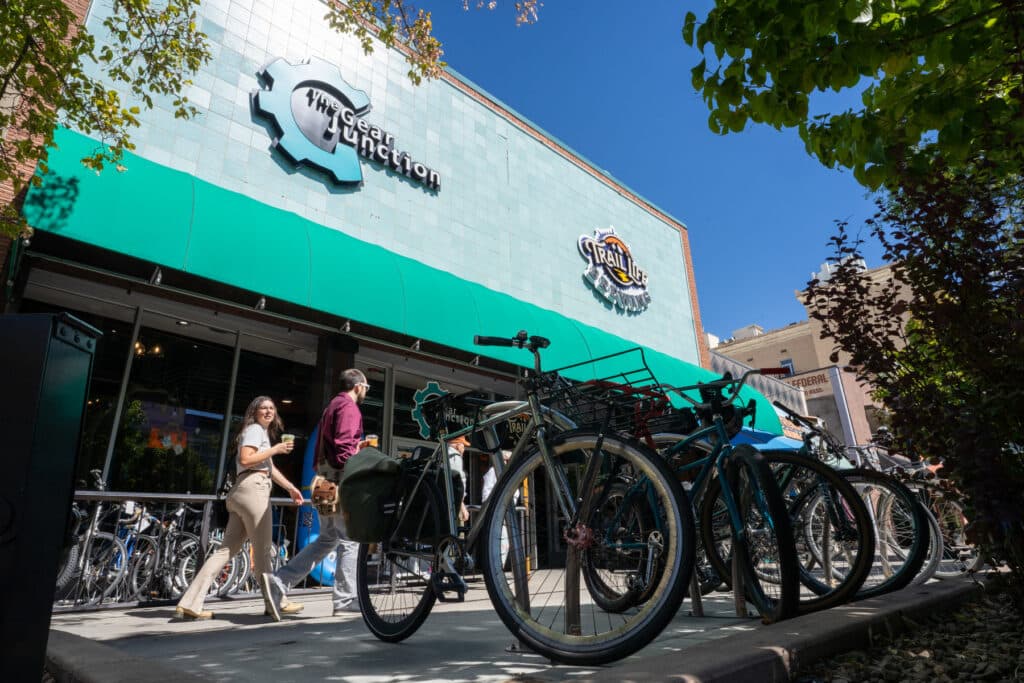
In 2025, Colorado Springs cut more than 30 jobs. Boulder County dropped nearly 100 positions, and the city of Denver had to hack away at its budget, including laying off 171 employees.
While some Front Range population centers are experiencing those kinds of budget pains, not everyone approached this year's budget with a scalpel. While some communities are pulling back and cutting jobs, in other areas, budgets are steady or even growing slightly. Still, local leaders across the state acknowledge that 2026 may mark a change from the super-charged growth Colorado's experienced over the past decade.
Mapping a trend in city and county budgets is difficult, given the unique dynamics of local governments. The only thing most of Colorado has in common is economic uncertainty.


Colorado’s job market slumps as legislative economist calls out bad data
Colorado’s job market is on shaky ground, but it’s increasingly hard to measure the magnitude of this economic temblor.
If you’re not an economist, talking about jobs and the economy can be complicated. There are a lot of statistics from multiple sources to keep track of. The numbers are frequently revised and packaged in jargon. But most people understand the importance of having a job and a steady paycheck when it comes to financial stability. A healthy job market is the bedrock of a healthy economy.
So, is Colorado's economy healthy? The official data shows the state’s employment growth has been lagging the U.S. rate since early 2024. There’s no obvious reason for Colorado’s weak employment numbers, but there are a couple of theories.


How long can grocery prices keep rising?

Joseph Macias stares at a folded receipt from a trip to a King Soopers grocery store.
“I don't know how I spent over a hundred bucks,” Macias sighed.
He is one of many Coloradans struggling to afford groceries amid all his other bills.
Prices for necessities like housing and groceries are outpacing wage growth. In the last five years, grocery prices have increased 25 percent on average. It's putting a lot of people like Macias in a pinch.


CU Economist: Too early to ring recession bell, though not all signs are rosy
By Tom Hesse
Look for recession indicators, and suddenly you might start seeing them everywhere.
Brian Lewandowski, executive director of the Business Research Division at the University of Colorado’s Leeds School of Business, says anxious Coloradans will have to look beyond the swings of the stock ticker to forecast an economic slowdown.
Lewandowski sat down with Colorado Matters for a discussion that included labor shortages caused by deportations, Colorado home prices and what all of it could mean for a possible recession.


Is Colorado’s car market flashing a check engine light for the economy?

The market for new cars in the U.S. hit a significant milestone in September. For the first time, the average price topped $50,000.
That’s causing some major sticker shock for buyers. And it’s not the only indicator of whether the industry might be sputtering, which has implications for the overall economy.
Here’s a look at three factors at play in the state and beyond.


Stories Edited by Alison Borden, Andrea Chalfin, Corey Jones and Chuck Murphy
Produced by Shelby Filangi
Photos by Hart Van Denburg, Kevin J. Beaty, AP, Briana Heaney and Nathan Fernando-Frescas
Illustrations by Kevin J. Beaty