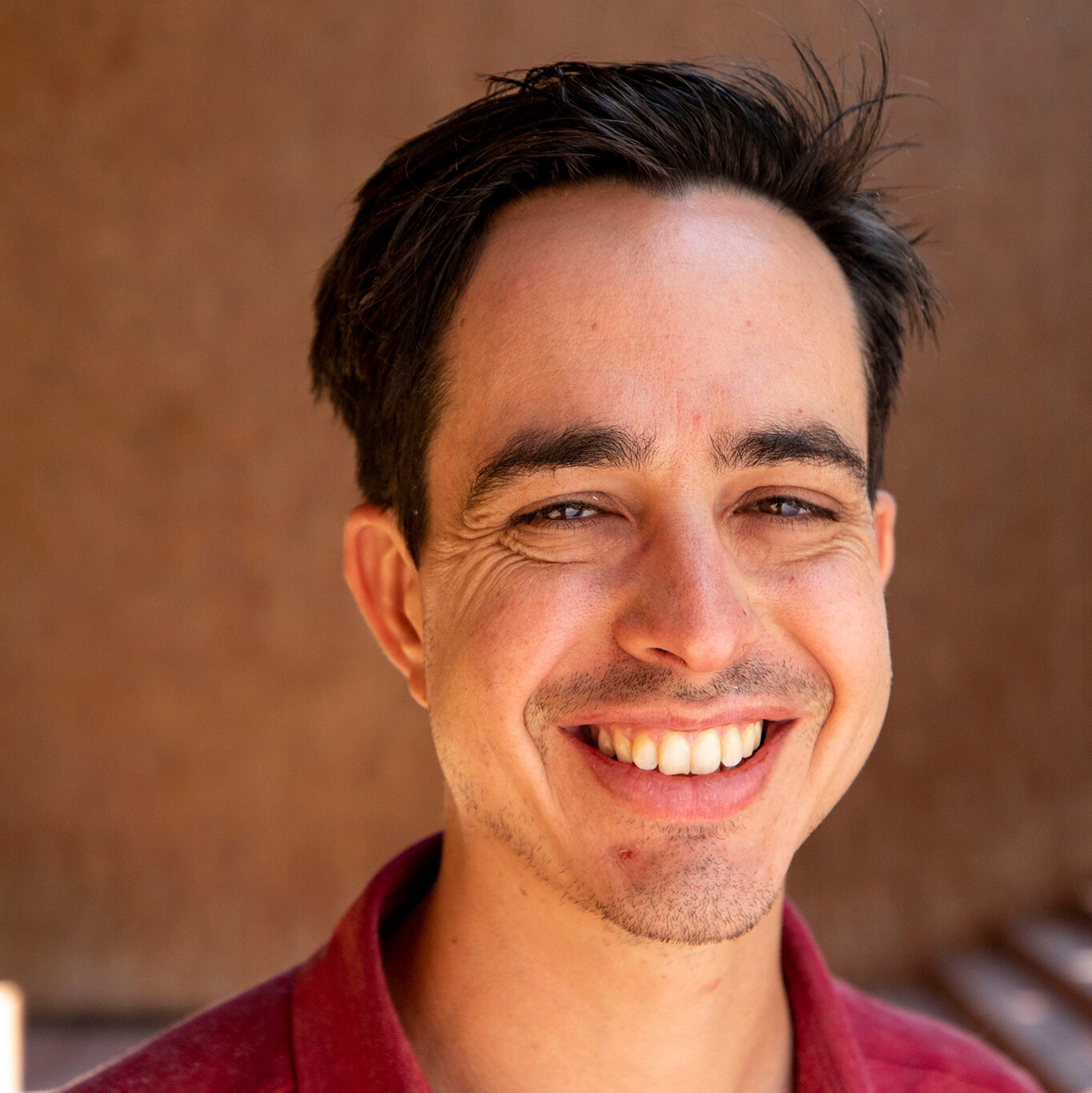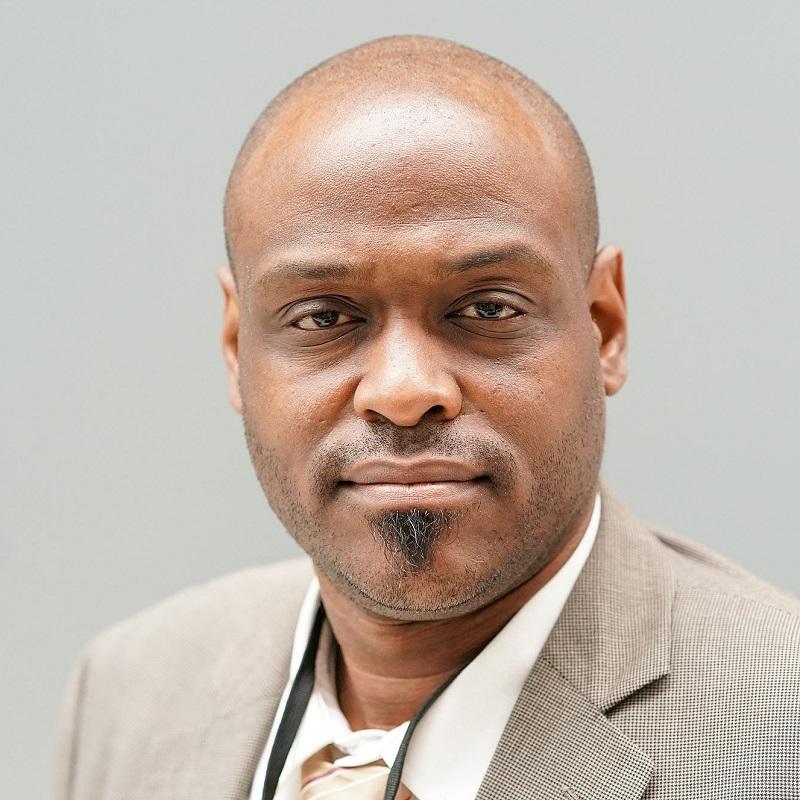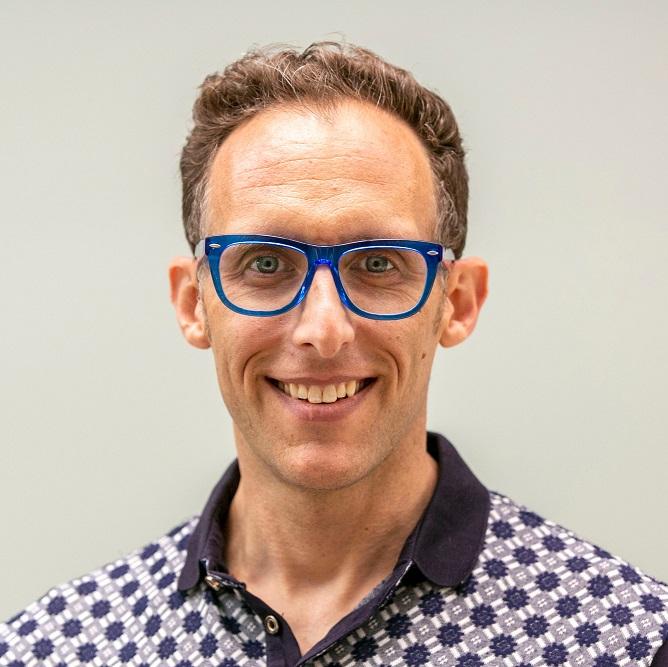

Paul Oberbroeckling, of Denver, grew up on an Iowa dairy farm in a musical family. To call (and possibly entertain) the cows, he learned to whistle. Now 73 and living with memory loss, Oberbroeckling still finds joy in whistling. When his wife learned of a new choir for people with dementia, she suggested he join. His sister Anne, 76, joined too.
“It's great fun to be here with Paul and I think we both enjoy it a lot and laugh a lot, particularly when we do the wrong thing,” said his big sister. “And sometimes he just goes from the lyrics into whistling and it makes me laugh.”
Second Verse Choir started in January — part of the Giving Voice Network of “dementia-defying choirs.” There are others in Lafayette and Buena Vista, Colorado.
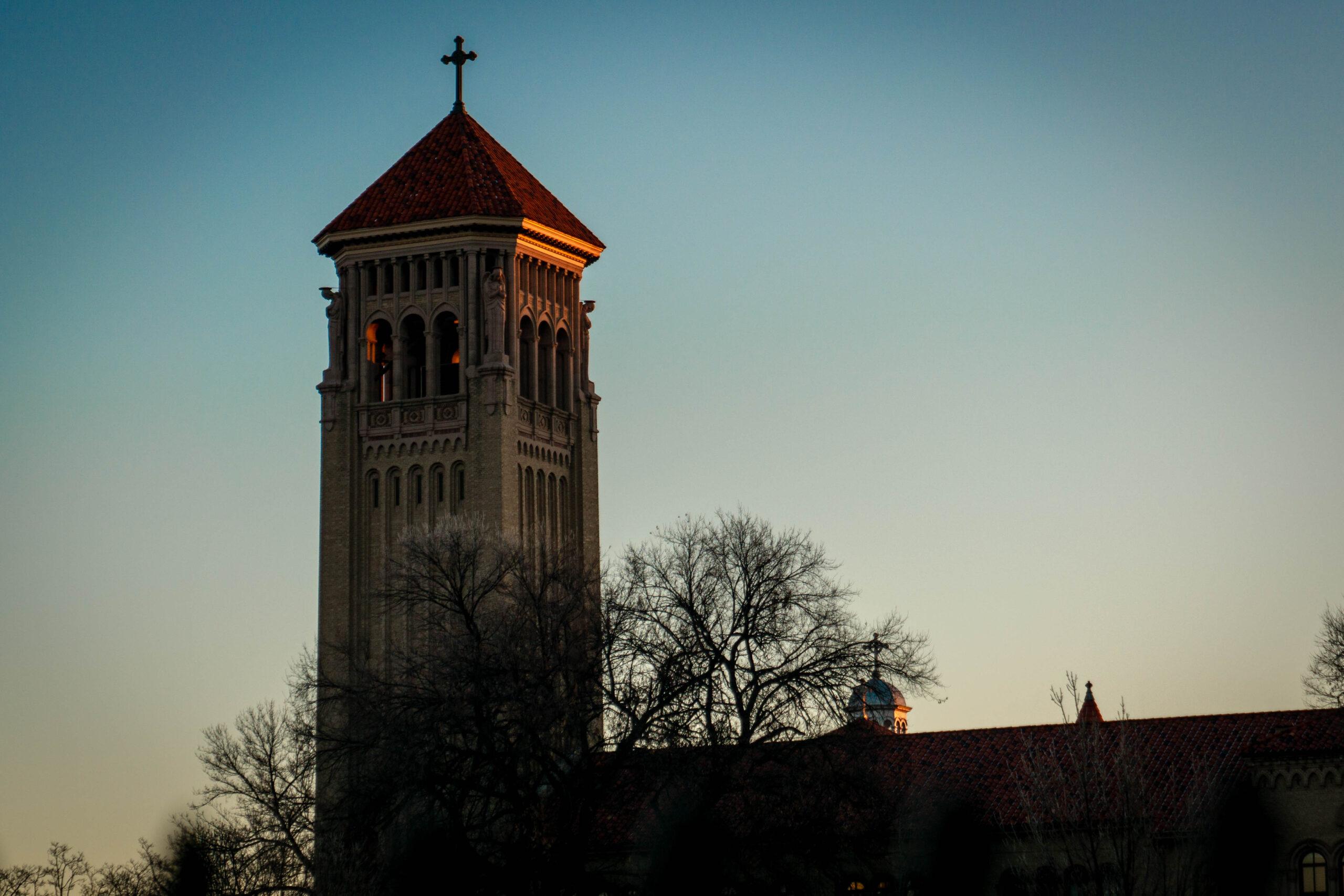
On a sunny February morning, choir director and speech language pathologist Dr. Jacqueline McCurdy led participants in a rehearsal for Second Verse’s first big show. “Feelin’ Groovy: Songs of the 60s” is brimming with songs familiar to the folks gathered in a sanctuary at Central Christian Church in Cherry Creek.
“We're all going to imagine singing from our xiphoid process,” McCurdy explained to the choir in a manner both kind and firm. “The xiphoid process is the bottom of your sternum. So you're going to imagine that sound is coming from here.”
Tentatively, the choir began singing The Monkees’ “Daydream Believer” from 1967, picking up steam along the way.

Siblings Paul and Anne weren’t the only pair in the pews. One man was accompanied by his health aid. Spouses also sang together.
It is precisely what the co-founders envisioned.
“A lot of people isolate once they have a diagnosis or even just have some memory loss,” said Program Director Anne Rigley, who is also a social worker and former long-term care ombudsman. “People stop doing the things they love and we're here to challenge that narrative.”
Singers need not worry about memorizing the music — or even being able to read it.
“We not only have sheet music that we can help them highlight their parts if they'd like, we also have large-print, lyrics-only for people who don't read music,” added Rigley.

Her co-founder, Program Manager Kris Boggs, spent a career in adult and child protective services.
“For a person living with dementia, they may be losing language skills and our music memory lasts longer,” Boggs explained. “So people may not be able to speak but may be able to sing.”
Sing they will — for the first time in front of an audience — 1 p.m. Saturday, April 18, 2026, at Central Christian Church, 3690 Cherry Creek S. Dr., Denver 80209.