
There's a long history of Presidents saying a war will be quick, only to see it drag on. Think Vietnam. Think Iraq and "Mission Accomplished." President Trump wants out of the Iran melee in a matter of weeks, but that timeline may have to be adjusted as the war approaches the end of its first week. Does Iran try to prolong the conflict in the hopes that Trump will tire of it and removes U.S. troops? Will there actually be regime change at the end of the fighting, and if so, what would the new government mean for relations between the two nations and the region?
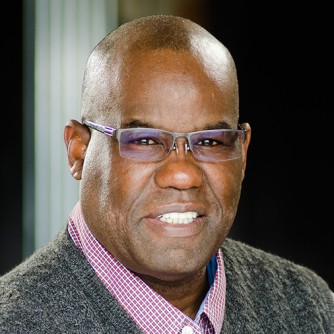
Micheline Ishay, the director of the Center for Middle East Studies at the University of Denver offers some perspective on what led the U.S. into the war, how events may play out and the economic impact of the conflict.