
March 20th marked the first day of spring, but for many, allergy season was already well underway.
“All of us allergists are seeing more burden of disease,” said Dr. Jessica Galant-Swafford, an allergist-immunologist at National Jewish Health in Denver. “It's been a rough couple of months for our patients with environmental allergies.”
Galant-Swafford spoke with Colorado Matters producer Andrea Dukakis about the state of allergies right now and how to alleviate symptoms. Here are four takeaways:
1. Tip: Start taking your allergy medication before spring starts.
It’s a little late now, but for next year, Galant-Swafford advises to start taking your allergy treatment before spring starts.
“We recommend getting the nasal spray started daily about four to six weeks prior to springtime,” she said. “Same thing in the fall, so that your nose is prepared for the onslaught. The same is true for the inhalers as well, really keeping those on board every day rather than using them on an as-needed basis. Regular use of anti-inflammatory medicines is far superior to an as needed approach.”
2. You’re not crazy. There are more allergens floating around this year.
Galant-Swafford usually sees an influx of patients in the fall and spring, when allergies are expected to be worse.
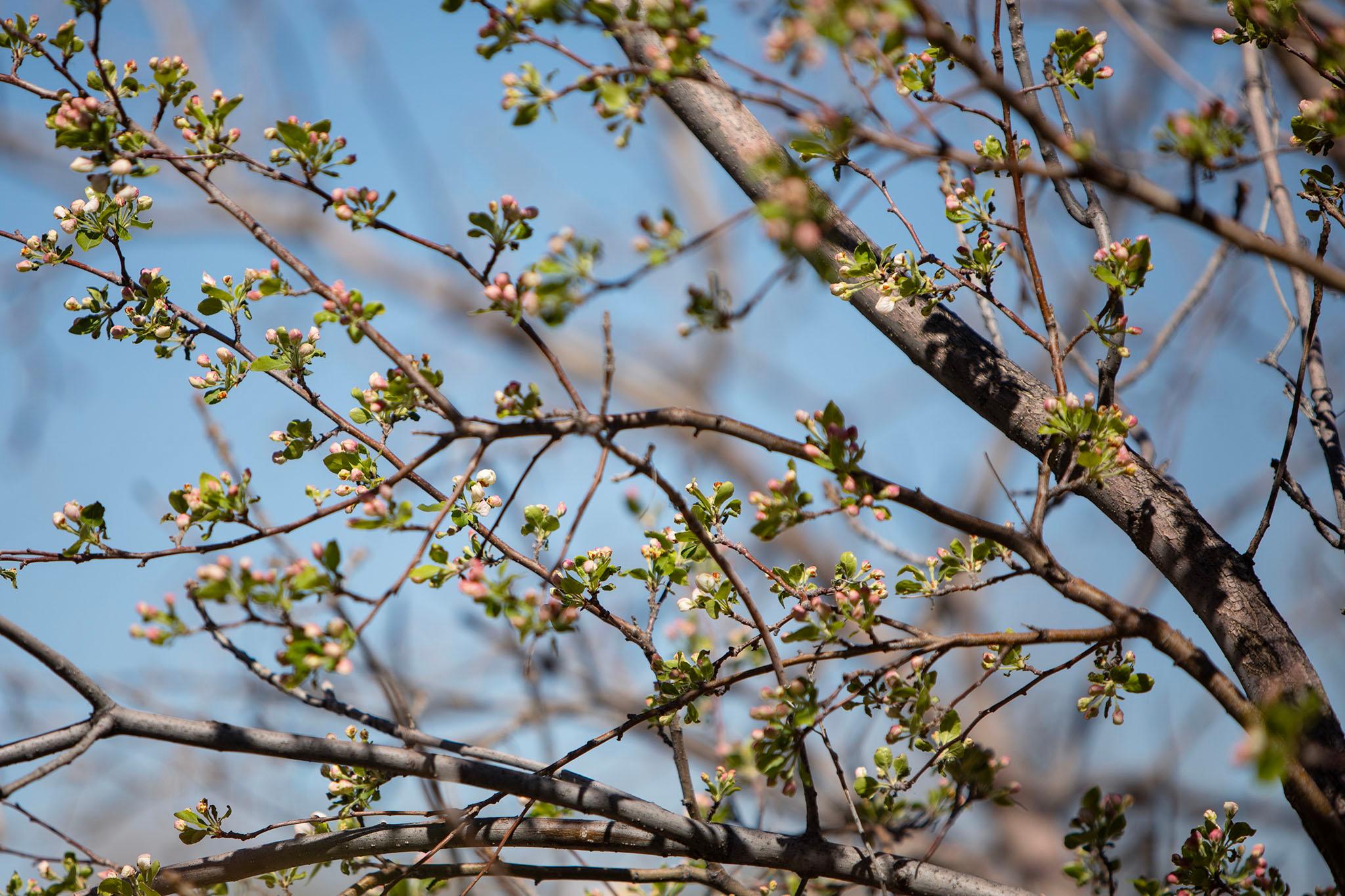
“Mid-August, that fall season, September, October, is where a lot of patients, particularly those who are ragweed-allergic, really struggle,” she said. “And then in the springtime are the pollinating trees for the most part. A lot of people struggle with cottonwood and aspens.”
But this year, her clinic saw an increased number of people during winter.
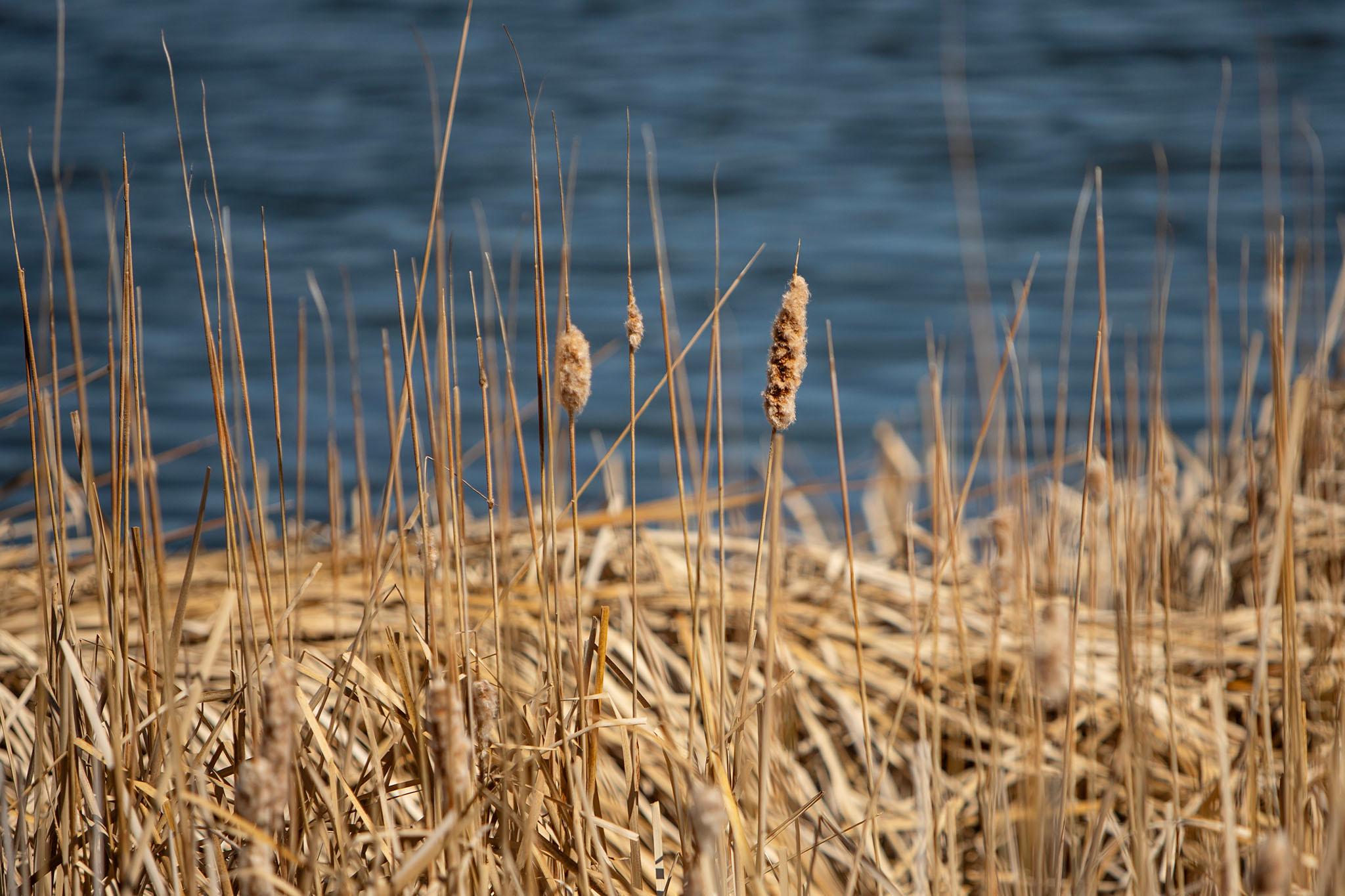
“Trees, weeds, grasses, they're sneaking through in the winter months because there just hasn't been significant enough frost,” Galant-Swafford said. “Normally our allergy patients, for the most part, do better in the winter for that reason. The weather is unpredictable and the plants have pollinated through the winter.”
3. Drier, warmer weather also means more wildfire risk. And that creates more irritants in the air.
It’s been a record-breaking hot year so far, conditions that not only cause early seasonal allergies but greater wildfire risk as well. When major weather events like wildfires happen, even more allergy-inducing substances are released into the air.
“It not only shifts pollen patterns, but it also means that there are other things in the air, pollutants and particles, some of which are manmade. A burning tree is different from a burning power line,” Galant-Swafford said. There are different chemicals released by those that are not good for the sinus and airways and skin. That’s something we may see worsen in the next few years. And so we need to have some structures in place to think about that.”
4. There’s hope; ask your healthcare provider about biologics.
Recent advancements in allergy and immunology care have yielded an injectable treatment called biologics, which are different from traditional allergy shots, said Galant-Swafford.
“For the most part, these biologics are very safe in the sense that they don't need monitoring,” she said. “You don't need to have your blood counts monitored or your kidney function monitored or your liver function monitored. They don't interact with other medications.”
They’re made from living things like yeast and bacteria. They can help with a host of immune system-related problems, like food allergies, asthma, and atopic dermatitis.
“We have biologics that suppress those directly and treat allergic immunity broadly throughout the body,” Galant-Swafford said. “Sinus, lungs, and skin in a single drug. So it is an exciting time.”
Biologics aren’t a viable solution for everyone, though.
“The trouble is these medicines are expensive and they require insurance approval,” she said. “Getting these medicines to the people who really need them is an ongoing struggle, in a way that's affordable.”
But she says it could still be worth asking your doctor about.