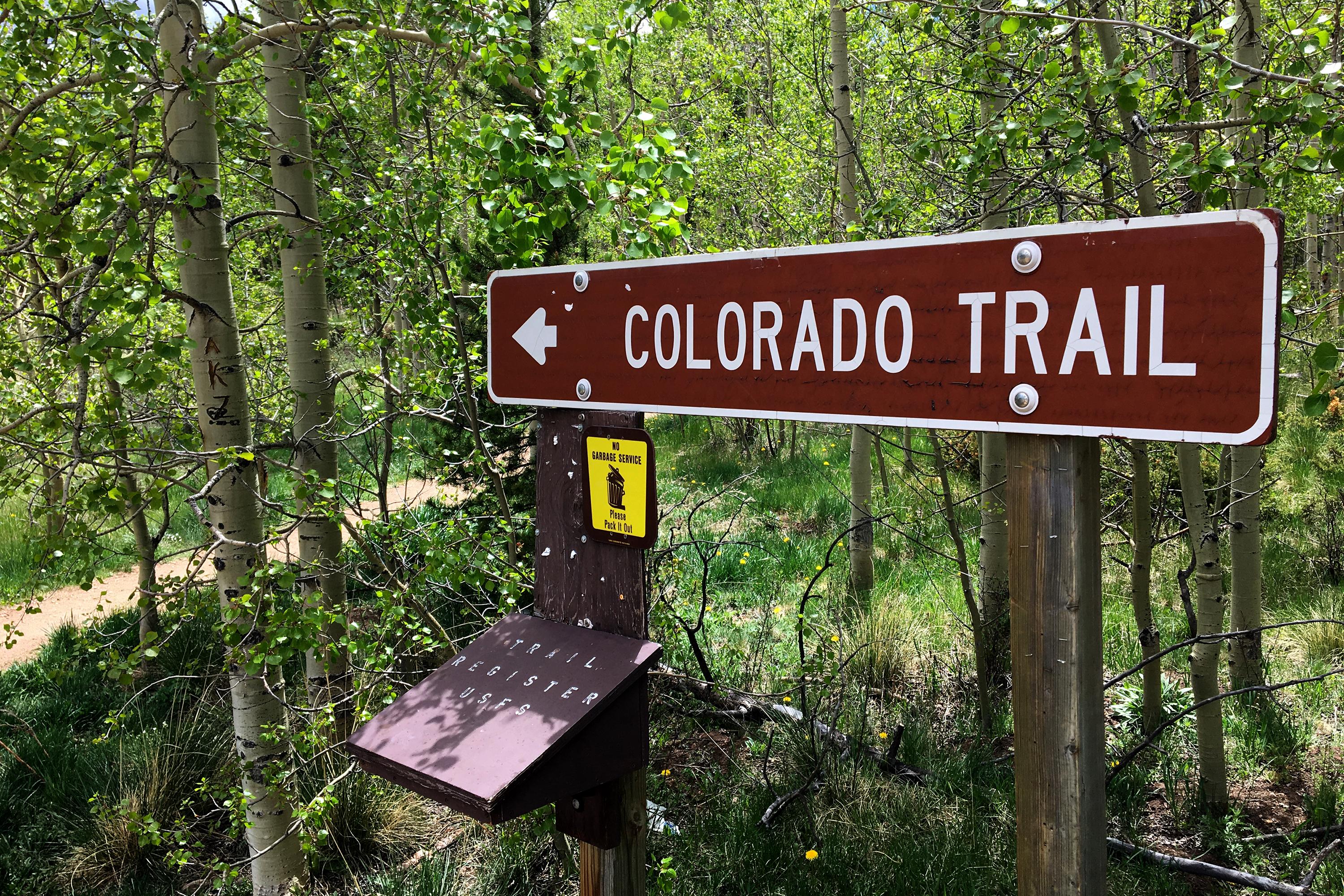
Because it’s not enough to just walk from Denver to Durango, the Colorado Trail has been completed in any number of novel fashions.
It’s been done in the winter, it’s been done on skis. It’s been done on a unicycle. Got an idea for a new way to complete the roughly 500-mile thru-hike? Paul Talley, executive director of the Colorado Trail Foundation, says there’s a good chance someone else has taken a stab at it.
“You will get a lot of questions about firsts. Has anybody ever done this, ever done that? Who's the first left-handed person that did it? Everybody in the world today is still looking for some first they can do,” Talley said. “Has anybody ever done it on a pogo stick? And so you get all these weird questions, and my standard answer to people is, if you can think of a way to do it, it's probably been done.”
But the efforts to add novelty don’t suggest interest in the route is trailing off. Talley said around 600 people completed the Colorado Trail last year, though some break it up into sections over years rather than completing the backpacking route in one go. In addition, tens of thousands of hikers recreate on popular sections of the trail.
Abby Bernat is among the Coloradans to have caught portions of the trail, and she’s got a friend eyeing the route this summer.
“I was just thinking about that trip that she's planning on taking and wondering more about it; how it was discovered or who pioneered it. I don't know if you really discover a trail per se,” Bernat quipped. “And then just what led to it becoming so popular for backpacking.”
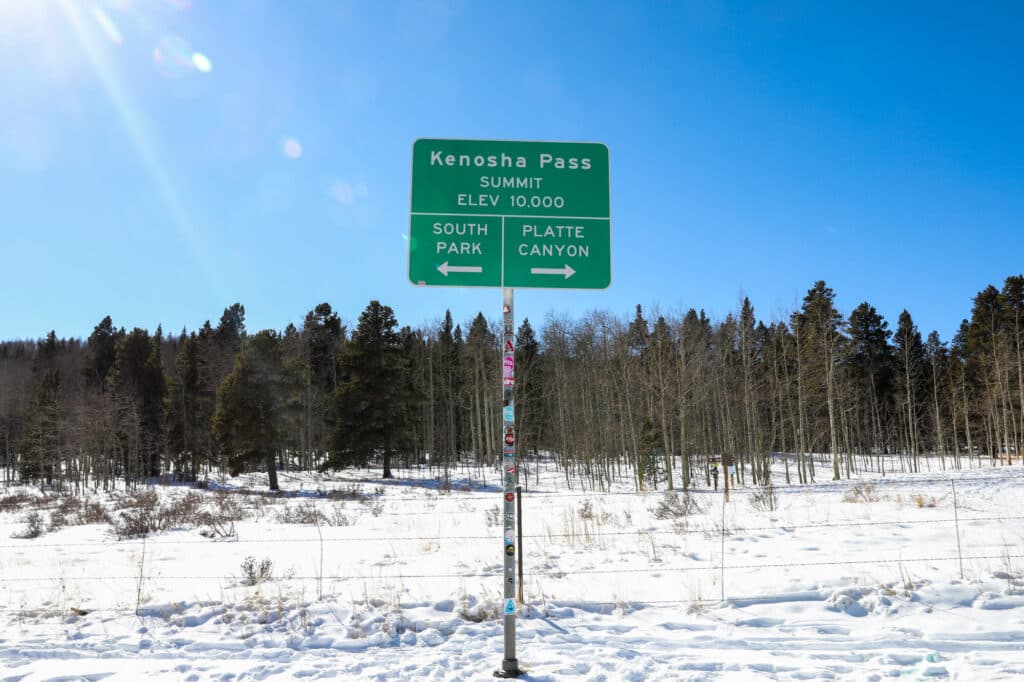
Talley said the trail was initially conceived of as a way to celebrate a milestone in state history and, had it all worked according to plan, we’d be celebrating year 50 of its existence.
“A couple of years before the centennial celebration, they thought, ‘This won't be that hard. We'll be able to link together a bunch of existing trails,’ and they underestimated the amount of trails they would have to build to make that happen,” Talley said.
The trail stretches more than 500 miles, weaving through multiple counties, forests, towns and mountain ranges. Weaving the stakeholders together and driving volunteer efforts proved too great a task to complete by the state’s 100th birthday in 1976. Instead, it would take until 1987 with the assistance of some tough news coverage and the trail’s leading proponent, Gudy Gaskill.
“The country we have here in Colorado it hadn't even been opened up to the public. The whole time, the idea was that it was going to be a trail for the people of Colorado,” Gaskill, who died in 2016, said in an interview when she was named to the Colorado Women’s Hall of Fame. “I never even thought about it being anyone else coming in, wanting to use it.”
Gaskill regularly spoke of her experience driving the trail effort and the challenges working with land managers who were resistant to allow such a project, particularly one driven by a woman. But, Gaskill said in 2009, the overwhelming support among volunteers was crucial to wending a path through Colorado’s mountains.
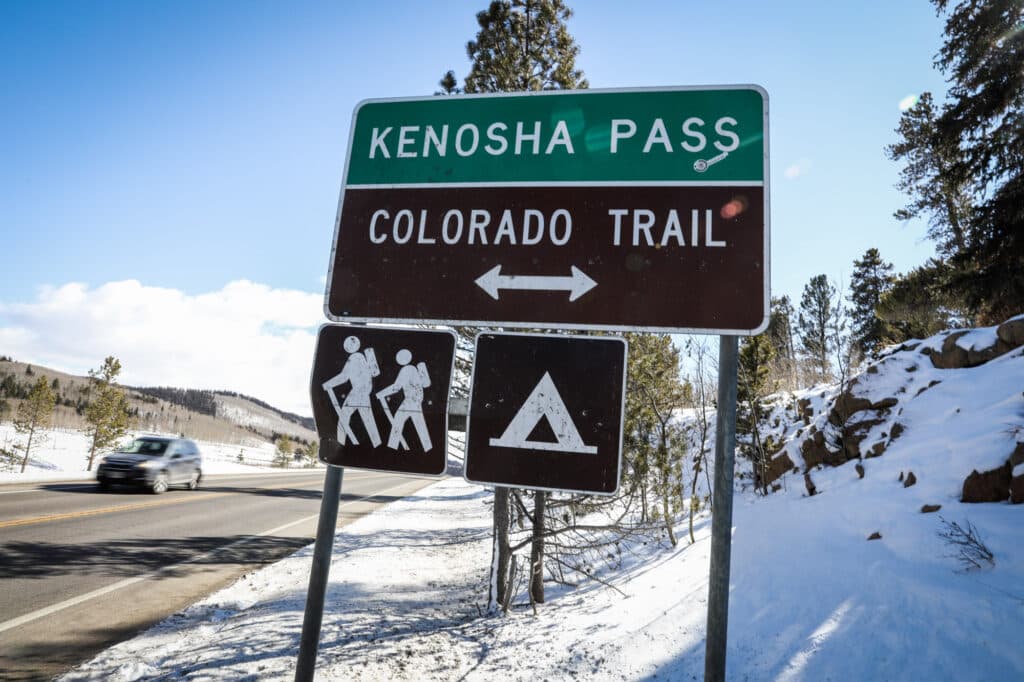
“All the years I worked with all these hundreds and hundreds of people. I can't remember one that was grouchy that I didn't like. Really not one,” said Gaskill, whose papers are archived at the Denver Public Library. “I just thought everyone was just so special. It takes a special person to be able to spend a lot of time on one particular project.”
One volunteer credited with helping get the project back on route was then-Gov. Dick Lamm, but only after the Denver Post’s Empire Magazine examined the project.
“There was an article written in a magazine in Denver that was titled. ‘The Trail to Nowhere.’ The article was just about this great idea that kind of fizzled. The article pointed out what a shame it was that this well-meaning group of people just weren't able to deliver,” Talley said.
Lamm and his wife joined the volunteer effort and the trail was finally finished a little more than a decade after its original target date.
Talley said volunteers are still the fulcrum of the trail, averaging a little under 15,000 volunteer hours each year.
“It turns out that 567 miles of trail, that average (an elevation) at 10,000 feet, erode pretty quickly and need a lot of work, especially in this time of climate upheaval,” Talley said.
Colorado Wonders
This story is part of our Colorado Wonders series, where we answer your burning questions about Colorado. Curious about something? Go to our Colorado Wonders page to ask your question or view other questions we've answered.