
Colorado Ballet wraps up its season with a profound, and profoundly challenging, trio of pieces. Its annual “MasterWorks” production runs through Sunday at the Ellie Caulkins Opera House in Denver.
“We call them the sort of bucket-list ballets that the dancers want to dance,” artistic director Gil Boggs said.
Bucket-list perhaps, but it’s also a lineup that tests the dancers’ endurance and artistry, including George Balanchine’s “Concerto Barocco”; a new ballet by choreographer Yoshihisa Arai; and Glen Tetley’s “The Rite of Spring,” to Stravinsky’s famous score of the same name. The latter was part of a global celebration of Tetley’s work, and it asks a lot of the dancers.
“I told the dancers, back in the summer, I said, ‘Come back in shape because this will kill you,’” Boggs said. “Some companies actually have places for you to throw up in the wings. It's so demanding.”
This week’s run doesn’t simply mark the end of Colorado Ballet’s performance season. The company is also throwing a bash to celebrate Bogg’s 20 years as its artistic leader.
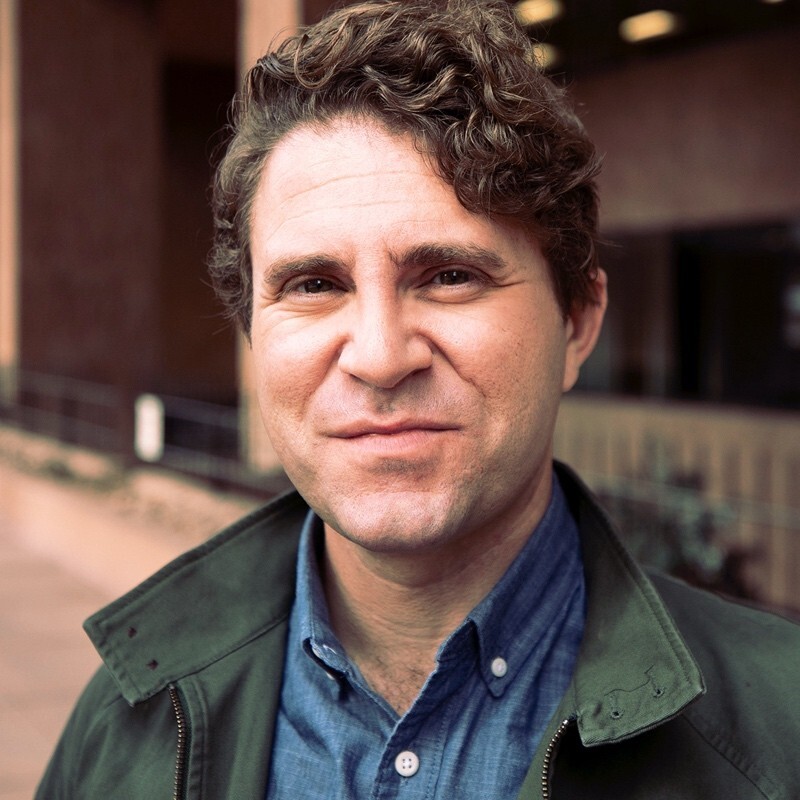
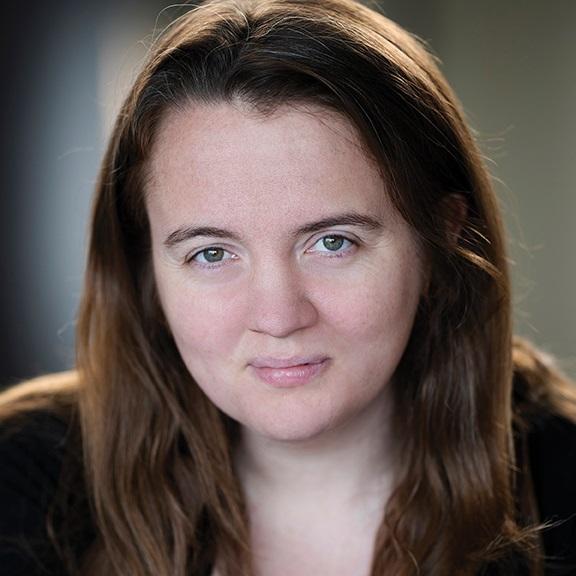
As he marks the milestone, Boggs sat down with Colorado Matters senior host Ryan Warner, backstage at the opera house, to talk about his career and what’s still on his bucket list as the company’s artistic leader, as well as share some reflections on the art form’s current place in broader culture and its future.

On the premiere of Arai’s new work, “S. Rachmaninoff,” set to the composer’s famous “Piano Concerto No. 2”
“[Arai] follows Rachmaninoff’s story. Actually, when Rachmaninoff wrote his first concerto, it was a flop. He went into a deep depression … and he worked with a psychiatrist to get out of that and get back to music. And so he tells the story of depression and then hope in the second movement, where he starts to reimagine music.”
On the company’s growth under his tenure and how sustainable that is in the current arts nonprofit climate
“You always have concerns simply because of what could happen to the economy, any downturn, and you have to be prepared. But from a financial standpoint, we've never been healthier. We have an incredible endowment to fall back on. So the growth, yes, we've grown a lot in the past 10 years, and it's going to slow down a touch, but we still want to continue to grow … There's a goal to get more dancers in the company. It just probably won't happen as quickly as it has in recent years.”

On his transition from a performing career
“I loved being on stage, and actually, I was on stage a couple of years ago in a role called Dr. Coppelius, an old man in a ballet [called ‘Coppelia’]. But I had a wonderful 21-year career, and when I got to 39, all of a sudden, I just couldn't do it anymore … I had trouble getting up and going to class and just being interested. From a physical standpoint, I think it was still okay, but from a mental standpoint, it just got very tough. And so it was time to retire.”
On his time outside of the ballet world — managing a golf academy in New York — and how golf is similar to dance
“You want to repeat the same thing every time so that you are consistent. If you want to stand on one leg and turn around 10 times, you have to do it exactly one way. If you want to hit the golf ball straight and hit it forever, you have to swing a certain way. So repetitiveness is very much in common with that. And as we all know, it's almost impossible to achieve.”

On how he’s thinking about his own eventual successor, especially when data show that women and people of color are underrepresented in artistic leadership roles in the nation’s largest ballet companies
“I haven't gotten to that stage yet, but when the time comes, it would be looking around to find somebody to bring them in and nurture them on how to run a company. If that's something that the board of directors wants. They may just want to say, We want to do a national search, and Gil, we're done with you, and enjoy the sunset, and we're going to find somebody else. But the potential is there to groom someone.”
On thinking about programming going forward and how to compete for audiences’ attention with, not other live arts companies, but streaming giants, like Netflix
“I would say the biggest competition is myself and my programming. If I'm not putting out programming that people find interesting and want to come see, then I'm not going to have an audience.


“For the first time in the audience with their cameras and their microphones is a company that has been producing a video of … basketball games and selling it to Apple TV. … And so they're out there now doing testing with their cameras and with their microphones so that our fall production of “Don Quixote,” they're very much interested in recording and getting it onto Apple TV.”
On what’s still on his bucket list as artistic director
“I was just approved by the Cran Trust to do John Cranko's ‘Romeo and Juliet,’ which is just a spectacular production of ‘Romeo and Juliet,’ and it takes a lot of dancers. So I've been able to build up to that. And it's a new echelon for the company to achieve this production and to be able to bring it.”

Editor's Note: Colorado Ballet is a financial supporter of CPR News. Financial supporters have no editorial influence.